Video Production Checklist: The Guide Every Marketing Team Needs (Advertising Video Brief Guide)
Producing video without an in-house team doesn't have to be confusing or expensive. Clear goals, a defined audience and a simple brief go a long way.
 By Mariana Sierra Published Jan 30, 2026 Updated Oct 9, 2026 5 min read
>> In a hurry?
In this post, I share what I wish every marketing team knew before calling me about a video. It starts with “what is this video for?” and goes through audience, format, brief, budget, approvals, deliverables and usage rights, all the way to the part almost everyone forgets: looking at the results afterwards. There’s a short list to save at the end.
I’ve worked with a lot of marketing teams that needed a video yesterday and had no one in-house to produce it. It feels like a maze: every department asks for something different, the deadline gets tighter, and the budget shows up before anyone knows what the video is for.
I’ll be honest: most of the time the problem isn’t a lack of money or talent. It’s that the video starts at the end. Someone asks for “a video for the campaign”, we quote it, and only on the third round of changes do we find out the brand actually wanted something else.
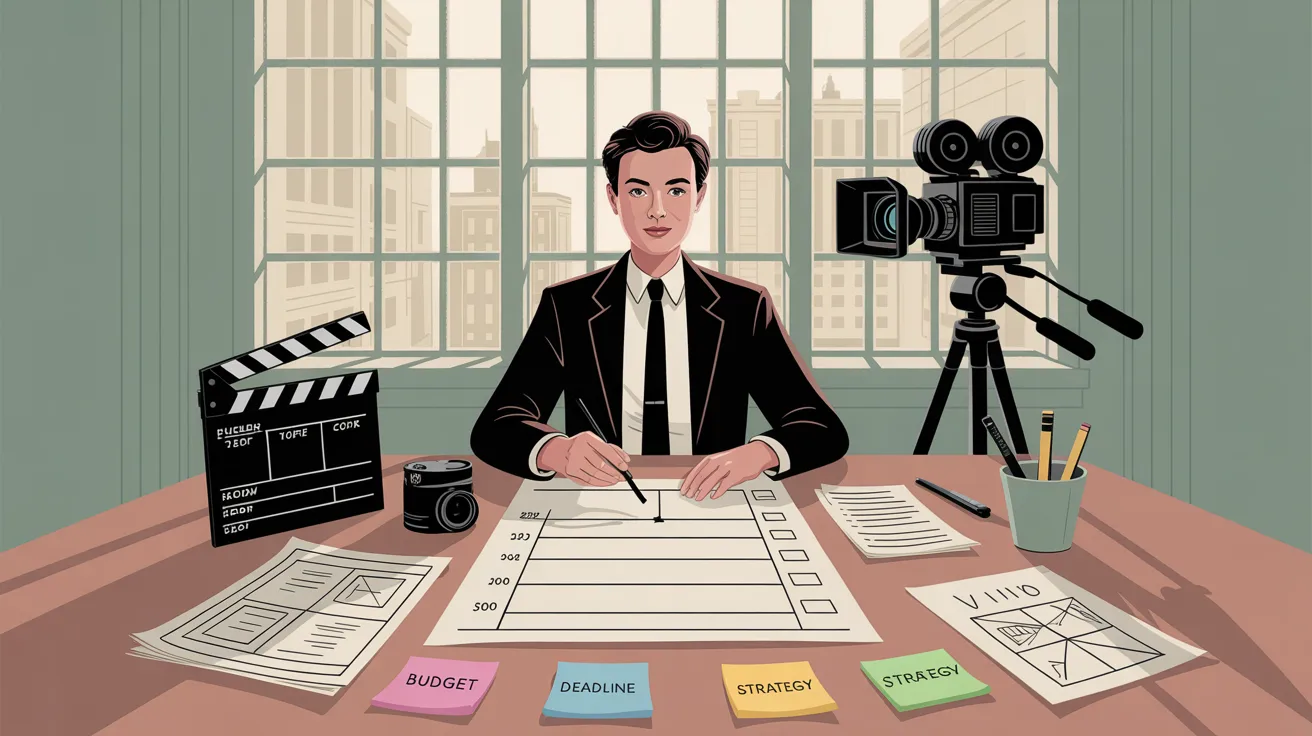
Making a video is a bit like renovating a house. Nobody calls a builder and says “just renovate something”. You know whether you want an extra bedroom or a new kitchen, how much you can spend and when you need the house back. Video works the same way, except a lot of people still call the production company before deciding which room they want.
So here is what I wish every client had in hand before calling me.
1. What is this video for?
The first question isn’t “how much does it cost?”. It’s “what is it for?”. Do you want people to buy, sign up, learn something or just remember your brand? And where will they watch it: in their feed, in an ad, on a screen at an event, on your website?
Along with that, agree right away on how you’ll know it worked. Clicks, sign-ups, watch time, whatever makes sense. Without that answer, any result looks good and any change looks necessary.
2. Who is going to watch it
“Everyone” is not an audience. The better you can describe the person on the other side of the screen, the better: who they are, what problem they have and what you want them to do after watching.
That changes everything, from the script’s tone to the video’s length. A video for existing customers and a video for people who have never heard of you are two different films, even if the product is the same.
3. Format comes after the goal
Every year there’s a trendy format, and the temptation is to ask for “one of those”. But the format has to serve the goal, not the other way around. Will it be vertical? Will it play without sound and need subtitles? Will there be versions in different lengths? Is it a brand film, a product video or a campaign piece?
Deciding this before the quote makes all the difference, because every extra version is extra work, and planning is much cheaper than patching.
4. A brief someone can actually use
A brief doesn’t need to be a treatise. It needs to fit on one page and answer what you’ve already thought through: goal, audience, main message, where it will run, a few references you like (and some you don’t, which sometimes helps more) and the budget range.
With that in hand, the production company can come back with a real proposal instead of a quote in the dark.
5. Talk about money plainly
I know it’s tempting to hide the budget and see what the production company asks for. But from where I sit, when we know what you have, we can design the best solution for your reality, not the dream film that will later have to be cut in half.
Also say what is untouchable and what can go if things get tight. A budget isn’t just a cost, it’s a planning tool, and the most creative solutions come out of the most honest conversations.
6. Who approves what, and when
A lot of productions don’t get stuck on the shoot, they get stuck on approvals. The script goes through marketing, comes back from legal, someone from the board sees the final cut and asks to change everything. Sound familiar?
Before you start, agree on shoot and delivery dates and, above all, who approves each stage: script, edit and final version. Less internal noise means faster decisions and, for sure, lower costs.
7. What you’ll get at the end
The film turned out beautiful, it was delivered, and then someone remembers they needed the square version, the version without subtitles and the YouTube thumbnail. It happens more than it should.
List the deliverables at the very start: the high-resolution master, versions for each platform, with and without subtitles, the thumbnail. If it’s on paper from day one, it’s in the budget and the schedule, and nobody gets caught off guard.
8. Usage rights
It’s the least glamorous part and the one that causes the most headaches when forgotten. Before shooting, confirm image rights for everyone on screen, the music license, where the video can be used (organic, paid media, TV) and for how long.
A great video that can’t run as a paid ad because the music was only licensed for organic is money down the drain.
9. Look at the results afterwards
Almost nobody does this, and it’s where the learning is. Once the video is out, go back to the question in item 1: did it hit the goal? Which version worked best? What was a hassle in the process that you can avoid next time?
Every production you look at properly makes the next one easier, cheaper and sharper.
The list to save
- What the video is for and how we’ll measure it
- Who will watch it and what they should do next
- Format, versions and where it will run
- A one-page brief with references and a budget range
- An open budget, with priorities and what can go
- Dates and who approves each stage
- A list of deliverables
- Image, music and media rights, and how long they last
- A conversation about results once the video is out
And if you’re on the brand side and want to share what video production is like in your company, the comments are open. I really want to hear from the other side of the counter.
Comments
No comments yet. Start the conversation.